Dental Implants in North York & Toronto
Dental Implants in Toronto
Restore missing teeth with a stable, natural-looking solution designed to function like real teeth.
If you’re looking for dental implants in Toronto or North York, Smile By Design provides personalized treatment focused on long-term stability, comfort, and precision. Dental implants replace the root of a missing tooth, helping preserve jawbone health, restore chewing function, and support a confident smile.
From your initial consultation to dental implant surgery and final restoration, our team guides you through every step with a clear treatment plan tailored to your needs.
Book a consultation today to discuss your dental implant options.
What Are Dental Implants?
Dental implants are a long-term solution for replacing missing teeth. Unlike dentures or traditional bridges, dental implants in Toronto replace both the visible tooth and its root, helping maintain jawbone structure and overall stability.
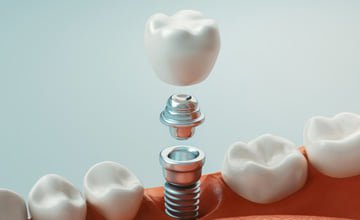
A dental implant consists of three parts:
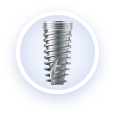
- Titanium Implant Post – surgically placed into the jawbone during dental implant surgery, acting as an artificial tooth root
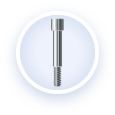
- Abutment – a connector that supports the final restoration
- Custom Crown – the visible tooth, designed to match your natural smile
After placement, the implant integrates with the jawbone through a process called osseointegration. This creates a secure foundation that allows the implant to function like a natural tooth.
Because implants stimulate the jawbone when you chew, they help prevent bone loss that commonly occurs after tooth loss. This is one of the main reasons dental implants in North York and Toronto are considered the most stable and durable tooth replacement option available today.





Benefits of Dental Implants
Choosing dental implants in Toronto or North York offers more than cosmetic improvement — it supports long-term oral health and function.
Key benefits include:
- Preserves Jawbone Structure – Implants stimulate the bone and help prevent bone loss after tooth extraction.
- Restores Natural Chewing Power – Fixed securely in place, implants allow you to eat comfortably without shifting.
- Long-Term Durability – With proper care, implants can last 15–25 years or longer.
- Protects Adjacent Teeth – Unlike traditional bridges, implants do not require altering healthy neighbouring teeth.
- Stable & Secure Fit – No adhesives, no removal at night, and no slipping like removable dentures.
For patients considering dental implant surgery in Toronto, implants provide a functional, natural-looking solution designed for long-term stability.

Types of Dental Implants We Offer
At Smile By Design, we provide customized dental implant solutions in Toronto and North York based on the number of missing teeth and overall oral health.
Single Tooth Implant
Ideal for replacing one missing tooth. The implant supports a custom crown without affecting adjacent healthy teeth.
Multiple Tooth Implants or Implant-Supported Bridge
When several teeth are missing, implants can support individual crowns or a fixed bridge. This option restores stability without filing down neighbouring teeth.
Implant-Supported Dentures
For patients missing most or all teeth, implants can secure a denture in place, improving comfort, chewing ability, and confidence.
Full Mouth & All-on-4 Dental Implants
Full arch restoration uses strategically placed implants to support a complete set of teeth. The All-on-4 system allows a fixed solution supported by four implants in many cases.
During your consultation for dental implants in North York, we determine which option best fits your clinical needs and long-term goals.


Smile Gallery

The Dental Implant Surgery Process
Understanding the steps involved in dental implant surgery in Toronto can help you feel prepared and confident. While each case is unique, treatment typically follows four main stages:
1. Consultation & Digital Planning
We assess your oral health, review your medical history, and use digital imaging to evaluate bone structure. This allows us to create a precise treatment plan tailored to your needs.
2. Implant Placement
During the surgical appointment, a titanium implant is placed into the jawbone under local anesthesia. Sedation options may be available for additional comfort.
3. Healing & Integration
Over the next few months, the implant integrates with the jawbone through osseointegration, creating a stable foundation.
4. Final Restoration
Once healing is complete, a custom crown, bridge, or full-arch restoration is attached to complete your smile.
Careful planning and precise placement are key to long-term success with dental implants in Toronto and North York.

Who Is a Candidate for Dental Implants?
Most healthy adults with one or more missing teeth may qualify for dental implants in Toronto or North York. A consultation is required to evaluate bone density, gum health, and overall medical history.
You may be a good candidate if you:
- Have healthy gums
- Have sufficient jawbone support
- Do not have uncontrolled systemic conditions
- Are committed to maintaining good oral hygiene
Even if bone loss has occurred, preparatory procedures may allow you to proceed with dental implant surgery.
Age alone is not typically a limiting factor. Many adults successfully restore function and confidence with dental implants.
A personalized assessment will determine the safest and most effective treatment option for you.

Recovery After Dental Implant Surgery
Recovery after dental implant surgery in Toronto is typically smoother than many patients expect. Most individuals return to normal daily activities within 24–48 hours.
You may experience mild swelling, minor tenderness, or temporary discomfort in the treated area. These symptoms are usually manageable and improve within a few days.
The implant will continue healing beneath the surface as it integrates with the jawbone through osseointegration. This healing phase is essential for long-term stability and may take several months.
Following post-operative instructions — including maintaining good oral hygiene and attending follow-up visits — supports successful outcomes with dental implants in North York and Toronto.

Cost of Dental Implants in Toronto
The cost of dental implants in Toronto varies depending on the complexity of your case and the type of restoration required.
On average, a single dental implant (including placement and crown) may range between $3,000 and $6,000. More advanced cases — such as full mouth dental implants or All-on-4 restorations — involve additional planning and materials.
Factors that influence cost include:
- Number of implants needed
- Bone grafting or preparatory procedures
- Type of final restoration (crown, bridge, denture)
- Surgical complexity and diagnostics
While dental implants may require a higher initial investment than bridges or dentures, they are designed as a long-term solution that helps preserve jawbone structure and reduce future replacement needs.
A consultation allows us to provide a personalized treatment estimate based on your specific clinical needs.
Dental Implants vs. Bridges vs. Dentures
When comparing tooth replacement options in Toronto, it’s helpful to understand the key differences.
For many patients considering dental implants in Toronto or North York, implants provide the most stable and long-term solution while preserving surrounding teeth and jawbone structure.
| Feature | Dental Implant | Traditional Bridge | Removable Denture |
|---|---|---|---|
| Replaces Tooth Root | ✔ Yes | ✘ No | ✘ No |
| Prevents Bone Loss | ✔ Yes | ✘ No | ✘ No |
| Affects Adjacent Teeth | ✘ No | ✔ Yes (requires filing) | ✘ No |
| Stability | Fixed & secure | Fixed | May shift |
| Longevity | 15–25+ years | 7–15 years | 5–10 years |
| Daily Maintenance | Brush & floss normally | Careful cleaning required | Remove to clean |

Why Choose Smile By Design for Dental Implants in Toronto?
Choosing the right provider for dental implants in Toronto and North York is essential for long-term success. Implant dentistry requires careful planning, precision, and experience.
At Smile By Design, we focus on:
- Comprehensive Digital Planning – Advanced imaging allows precise implant placement and predictable outcomes.
- Personalized Treatment Plans – Every case is customized based on your bone structure, oral health, and goals.
- Long-Term Stability – We emphasize proper placement and healing to support durable, functional results.
- Patient Comfort – Clear communication and supportive care throughout every stage of treatment.
From consultation through dental implant surgery and final restoration, our team is committed to delivering care designed for long-term function and confidence.
Our Experience with Dental Implants in Toronto
Dental implant treatment requires clinical precision and long-term planning.
Over the last 35 years, our team has placed thousands of dental implants for patients in Toronto and North York. This extensive clinical experience allows us to carefully evaluate each case and plan treatment for predictable, long-term outcomes.
Our experience includes single tooth implants, implant-supported bridges, and full arch restorations. Each case is carefully planned using digital diagnostics to support predictable outcomes and long-term stability following dental implant surgery.
Frequently Asked Questions About Dental Implants
Dental implant surgery in Toronto is performed under local anesthesia, and sedation options may be available. Most patients report mild soreness rather than significant pain, and discomfort typically improves within a few days.
With proper care and regular dental visits, dental implants can last 15–25 years or longer. The implant itself is designed as a long-term solution.
The full treatment timeline varies depending on healing and bone health. In many cases, several months are required for the implant to integrate securely with the jawbone.
Costs vary based on complexity, but a consultation allows us to provide a personalized estimate for dental implants in Toronto or North York.
A professional evaluation is necessary to assess bone support, gum health, and overall medical history before proceeding with treatment.