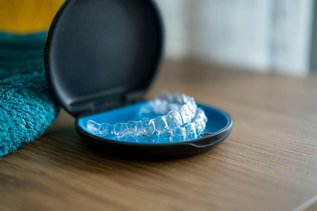
Invisalign Treatment Guide What to Know Before You Start
Key Takeaways
Invisalign treatment has become one of the most popular orthodontic options for patients who want to straighten their teeth in a discreet and comfortable way. Using Invisalign aligners, patients can gradually improve tooth alignment while maintaining their normal daily routines.
Here are the most important points to remember about Invisalign orthodontic treatment:
- Invisalign aligners are clear plastic trays designed to gradually move teeth into better alignment.
- The treatment uses a series of removable aligners that are replaced approximately every one to two weeks.
- Invisalign treatment typically lasts between 12 and 18 months, depending on the complexity of the case.
- Aligners should be worn 20–22 hours per day for effective results.
- Invisalign for adults is especially popular because the aligners are nearly invisible and removable.
- Compared with traditional braces, Invisalign clear braces often provide greater comfort and easier oral hygiene.
What Is Invisalign?
Invisalign aligners are clear, custom-made orthodontic trays designed to gradually move teeth into better alignment. Unlike traditional metal braces that use brackets and wires, Invisalign treatment uses a series of transparent plastic aligners that fit snugly over the teeth and apply gentle, controlled pressure to shift them into the desired position.
This type of clear aligner treatment has become one of the most popular orthodontic options for patients who want to improve their smile without the noticeable appearance of metal braces. Because the aligners are transparent, many people refer to them as Invisalign clear braces or Invisalign braces, even though they work differently from traditional braces.
Each set of Invisalign aligners is custom-designed based on digital scans or impressions of a patient’s teeth. As the aligners are replaced throughout treatment, they gradually guide the teeth into improved alignment.
Many adults and teens choose Invisalign orthodontic treatment because the aligners are removable and nearly invisible when worn. This makes them a convenient option for people who want orthodontic correction while maintaining a natural appearance.
In simple terms, what is Invisalign? It is a modern orthodontic system that uses a series of clear, removable aligners to gradually straighten Invisalign teeth without the need for traditional metal brackets or wires.
How Does Invisalign Work?
Many patients researching orthodontic options ask the same question: how does Invisalign work? Invisalign treatment uses a series of custom-made clear aligners that gradually move teeth into better alignment through controlled and carefully planned pressure.
The process begins with digital imaging of the teeth, which allows the dentist to create a precise treatment plan. Specialized software maps out how each tooth should move during Invisalign orthodontic treatment, and a sequence of Invisalign aligners is then designed to guide those movements step by step.
Each set of aligners is slightly different from the previous one.In some cases, dentists also use small tooth-colored attachments called SmartForce attachments. These are tiny composite “buttons” temporarily bonded to certain teeth. They help the Invisalign aligners apply more precise pressure and improve control of complex tooth movements such as rotations or vertical adjustments. Although the attachments are usually subtle and match the color of the teeth, patients may notice them during treatment.
As patients wear the aligners, gentle pressure is applied to specific teeth, gradually shifting them into their planned positions. Patients typically switch to a new set of aligners every one to two weeks, depending on their treatment plan.
To achieve the best results, Invisalign aligners must be worn for about 20 to 22 hours per day. Because they are removable aligners, patients can take them out when eating, drinking anything other than water, or brushing and flossing their teeth.
Another key feature of Invisalign treatment is digital treatment planning. Using advanced 3D technology, dentists can show patients a preview of how their teeth are expected to move throughout treatment and what their smile may look like at the end.
Many patients wonder, does Invisalign work? For mild to moderate orthodontic issues such as crowding, spacing, and some bite problems, Invisalign can be an effective and predictable solution when aligners are worn consistently.
By combining clear aligner technology, digital planning, and gradual tooth movement, Invisalign aligners offer a modern alternative to traditional orthodontic braces.
Step-by-Step Invisalign Treatment Process
Understanding the Invisalign treatment process can help patients feel more confident before starting orthodontic care. Invisalign uses a structured treatment journey that guides patients from the initial consultation through the final retention phase after the teeth have been aligned.
Although every case is unique, most Invisalign orthodontic treatment follows several key steps.
Initial Consultation
The first step in Invisalign treatment is a consultation with a dentist or orthodontic provider. During this visit, the dentist evaluates the patient’s oral health, examines the alignment of the teeth, and determines whether Invisalign braces are a suitable option.
The dentist will assess issues such as:
- crowded teeth
• gaps between teeth
• bite alignment
• overall oral health
At this stage, patients can also discuss their goals and ask questions about Invisalign aligners, treatment duration, and expected results.
Digital Scans and Treatment Planning
If the patient is a good candidate, the next step involves taking digital scans of the teeth. Modern dental clinics often use advanced 3D scanning technology to create a precise digital model of the patient’s mouth.
These digital scans allow the dentist to design a customized clear aligner treatment plan. Specialized software maps out how the teeth will move throughout the entire Invisalign orthodontic treatment process.
Patients are often able to see a digital preview of how their Invisalign teeth will gradually shift into alignment.
In some treatment plans, the dentist may recommend a procedure called interproximal reduction (IPR). This involves removing a very small amount of enamel between certain teeth — typically fractions of a millimeter — to create the space needed for proper alignment. IPR is a safe and commonly used orthodontic technique that allows teeth to move more efficiently without affecting overall tooth health.
Receiving Your Aligners
Once the treatment plan is finalized, a series of custom Invisalign aligners is created. Each set of aligners is designed to move the teeth slightly closer to their final position.
Patients typically receive several sets of aligners at once and switch to a new set every one to two weeks. Each aligner must be worn for 20–22 hours per day to keep the treatment progressing as planned.
Because these are removable aligners, patients can take them out when eating, drinking, brushing, and flossing.
Progress Checkups
During Invisalign treatment, patients visit their dentist periodically to monitor progress. These checkups ensure that the teeth are moving according to the treatment plan.
At these appointments, the dentist may:
- review tooth movement
• provide additional aligner sets
• make minor adjustments if necessary
Regular monitoring helps ensure that Invisalign aligners continue to guide the teeth safely and effectively.
Some modern dental clinics also use AI-powered monitoring technology that allows patients to track their Invisalign progress remotely. With smartphone-based scanning apps, patients can submit photos of their teeth between appointments so the dentist can monitor aligner progress and detect any issues early. This type of digital monitoring can reduce the number of in-office visits while keeping treatment on track.
Retainers After Treatment
Once the teeth reach their final position, the active phase of Invisalign treatment is complete. However, maintaining the results is an important final step.
Most patients are provided with retainers, which help keep the teeth from shifting back to their original positions. Retainers are usually worn at night and play a critical role in maintaining the results achieved through Invisalign clear braces.
Following this final phase helps ensure that patients can enjoy their newly aligned smile for many years.
Who Is a Good Candidate for Invisalign?
Invisalign treatment is suitable for many patients who want to straighten their teeth without the visibility of traditional metal braces. While clear aligners are highly versatile, they work best for individuals with mild to moderate orthodontic concerns.
One of the most common groups seeking Invisalign for adults is patients who want a discreet way to improve their smile while maintaining a professional or natural appearance. Because Invisalign aligners are nearly invisible, many adults prefer them over traditional braces.
In general, Invisalign orthodontic treatment may be a good option for patients who have:
- mild to moderate crowding
• small gaps between teeth
• slightly misaligned teeth
• certain bite issues, such as overbite or underbite
Because the aligners are removable, patients must also be committed to wearing them consistently. Successful treatment requires wearing removable aligners for approximately 20–22 hours per day.
Teens may also benefit from clear aligner treatment, especially if they are motivated to follow the treatment instructions and maintain good oral hygiene.
However, in some cases, traditional Invisalign braces may not be the best solution. More complex orthodontic problems, severe bite issues, or significant tooth movement may require alternative treatments such as traditional braces or other orthodontic techniques.
A dental consultation is the best way to determine whether Invisalign aligners are the right choice. During an evaluation, the dentist can assess tooth alignment, oral health, and treatment goals to recommend the most appropriate orthodontic solution.
Invisalign vs Traditional Braces
When considering orthodontic treatment, many patients compare Invisalign aligners with traditional metal braces. Both treatments aim to straighten teeth and improve bite alignment, but they work in different ways and offer different advantages.
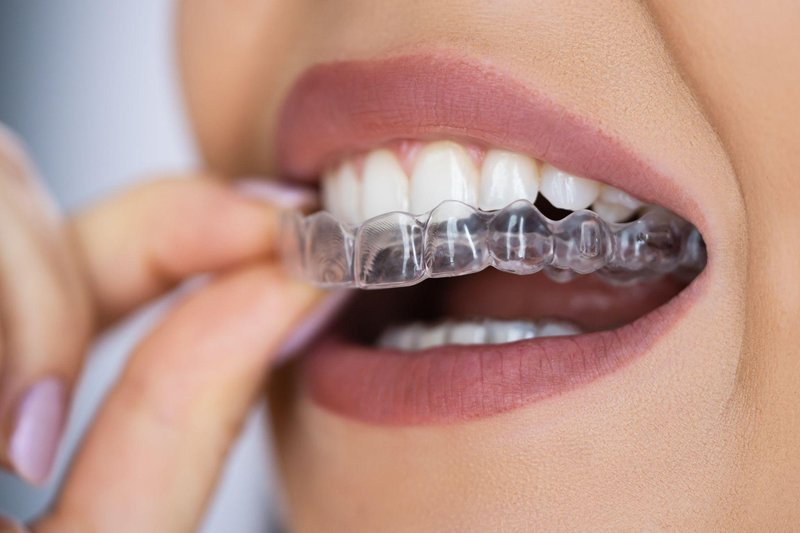
Invisalign treatment uses a series of clear, removable trays that gradually shift teeth into better alignment. Traditional braces, on the other hand, rely on metal brackets and wires that are attached to the teeth and adjusted periodically to move them into position.
One of the biggest reasons patients choose Invisalign clear braces is their discreet appearance. Because the aligners are transparent, they are much less noticeable than metal braces.
Another important difference is that removable aligners allow patients to remove them when eating, brushing, and flossing. With traditional braces, food restrictions and more complex oral hygiene routines are often necessary.
However, traditional braces may still be recommended in some complex orthodontic cases where more significant tooth movement is required.
| Feature | Invisalign | Traditional Braces |
|---|---|---|
| Visibility | Nearly invisible | Visible metal brackets |
| Comfort | Smooth plastic aligners | Brackets and wires may cause irritation |
| Removable | Yes | No |
| Oral hygiene | Easier brushing and flossing | More difficult cleaning around brackets |
| Diet restrictions | Minimal | Several food restrictions |
| Technology | 3D predictive treatment planning | Manual adjustments with wires |
For many patients with mild to moderate orthodontic concerns, Invisalign aligners provide an effective and discreet alternative to traditional braces while still delivering predictable orthodontic results.
Benefits of Invisalign Aligners
One of the main reasons patients choose Invisalign aligners is the combination of effective orthodontic treatment and a discreet appearance. Compared with traditional braces, Invisalign treatment offers several advantages that make it appealing to both adults and teens.
Discreet Appearance
One of the most noticeable benefits of Invisalign clear braces is their transparency. The aligners are made from clear plastic that fits closely over the teeth, making them much less visible than traditional braces. This allows patients to straighten their Invisalign teeth while maintaining a natural-looking smile during treatment.
Removable Aligners
Unlike traditional braces, removable aligners can be taken out when eating, drinking anything other than water, or performing oral hygiene. This flexibility makes it easier for patients to maintain their regular diet and continue brushing and flossing normally throughout Invisalign orthodontic treatment.
Comfortable Design
Traditional braces can sometimes cause irritation due to brackets and wires. Invisalign aligners are made from smooth plastic and are designed to fit comfortably over the teeth, which often reduces irritation inside the mouth.
Advanced SmartTrack Material
Invisalign aligners are made from a proprietary multilayer polymer known as SmartTrack material. This patented material is designed to provide a more precise and comfortable fit while delivering controlled tooth movement. The flexibility and durability of SmartTrack help ensure that the aligners apply consistent force throughout each stage of Invisalign treatment, which can improve predictability compared with some generic clear aligner systems.
Predictable Treatment Planning
Another advantage of Invisalign treatment is the use of advanced digital planning. Dentists use 3D imaging technology to map out how teeth will move throughout treatment. This allows patients to see a projected outcome of their smile before treatment even begins.
Convenient Orthodontic Care
For many patients, clear aligner treatment fits easily into their lifestyle. Because aligners are removable and discreet, many adults prefer Invisalign for adults when they want orthodontic correction without the appearance of traditional braces.
These advantages have made Invisalign aligners one of the most widely chosen options for patients seeking a modern and comfortable approach to orthodontic care.
What to Expect During Invisalign Treatment
Starting Invisalign treatment is an exciting step toward a straighter smile, but it is helpful for patients to understand what daily life with aligners will look like. While the treatment process is generally comfortable and convenient, there are a few important habits that help ensure the best results.
One of the most important aspects of Invisalign orthodontic treatment is wearing the aligners consistently. Invisalign aligners should be worn for approximately 20–22 hours per day. They should only be removed when eating, drinking beverages other than water, and performing oral hygiene.
Patients usually change to a new set of aligners every one to two weeks. When switching to a new tray, it is common to feel mild pressure on the teeth for the first day or two. This sensation is normal and indicates that the aligners are gradually moving the Invisalign teeth into their planned positions.
Maintaining good oral hygiene is also important during clear aligner treatment. Because the aligners cover the teeth for most of the day, brushing and flossing after meals helps prevent plaque buildup before placing the aligners back in the mouth.
Throughout treatment, patients will have periodic dental visits so the dentist can monitor progress and ensure that the teeth are moving as expected.
With proper wear and regular checkups, Invisalign aligners can gradually improve tooth alignment while allowing patients to maintain a comfortable daily routine.
How to Get Invisalign
If you are interested in improving your smile with Invisalign treatment, the first step is scheduling a consultation with a dentist who offers clear aligner therapy.
During this visit, the dentist will examine your teeth, evaluate your bite, and determine whether Invisalign aligners are the right option for your orthodontic needs. Digital scans or impressions may be taken to create a personalized treatment plan.
Once the dentist confirms eligibility, a customized Invisalign orthodontic treatment plan is created. This plan outlines how the teeth will move over time and how many sets of aligners will be required.
For many patients wondering how to get Invisalign, the process is straightforward:
- schedule a dental consultation
• complete a digital scan of the teeth
• receive a personalized aligner series
• begin wearing the aligners according to the treatment plan
If you are considering Invisalign for adults or teens, a professional evaluation is the best way to determine whether clear aligner treatment is the right solution for your smile.
When to Consult a Dentist About Invisalign
If you are considering Invisalign treatment, scheduling a consultation with a dentist is the best way to determine whether clear aligners are the right option for your smile.
During a consultation, a dentist can evaluate your teeth, bite alignment, and overall oral health. This evaluation helps determine whether Invisalign aligners can effectively address your orthodontic concerns.
A dental professional can also explain the expected timeline, review the treatment plan, and answer common questions about clear aligner treatment. For patients wondering does Invisalign work, a personalized evaluation helps determine how well the treatment may address their specific alignment issues.
If you are interested in improving your smile with Invisalign orthodontic treatment, a consultation allows you to explore your options and learn whether Invisalign clear braces are the best solution for your dental goals.
Scheduling an Invisalign treatment consultation can help you take the first step toward achieving straighter, healthier Invisalign teeth.
Frequently Asked Questions About Invisalign
Does Invisalign work?
Yes, Invisalign treatment can be highly effective for correcting mild to moderate orthodontic issues. Invisalign aligners gradually move teeth into better alignment using controlled pressure, similar to traditional braces. When worn consistently for the recommended 20–22 hours per day, many patients achieve predictable and long-lasting results.
How long does Invisalign treatment take?
The length of Invisalign orthodontic treatment varies depending on the complexity of the case. For many patients, treatment typically lasts 12 to 18 months. Some mild alignment issues may be corrected in a shorter time, while more complex cases may take longer.
Does Invisalign work for adults?
Yes, Invisalign for adults is one of the most common uses of clear aligner therapy. Many adults choose Invisalign clear braces because they are discreet, removable, and comfortable. As long as the aligners are worn consistently, adults can achieve excellent orthodontic results.
How often should Invisalign aligners be changed?
Most patients switch to a new set of Invisalign aligners every one to two weeks. Each new aligner gradually moves the Invisalign teeth closer to their final position according to the treatment plan created by the dentist.
How should Invisalign aligners be cleaned?
To maintain proper hygiene during clear aligner treatment, aligners should be cleaned daily. Patients can gently brush them with a soft toothbrush and rinse them with lukewarm water. Keeping the aligners clean helps prevent bacteria buildup and keeps them clear and comfortable to wear.