
Doctor of Dental Surgery (DDS)

Andrea Galick is an accomplished Dental Hygienist (RDH) with a passion for helping patients achieve optimal oral health. Andrea has built a reputation as a caring and skilled practitioner who puts her patients at ease and provides individualized care that meets their unique needs.
Is Invisalign Covered by Dental Insurance in Ontario?
Key Takeaways
- Orthodontic insurance coverage in Ontario often differs significantly from general dental benefits.
- Most plans cover a percentage of treatment costs (commonly 50%) up to a lifetime maximum.
- Exclusions may apply — for instance, some plans exclude adult orthodontics or Invisalign.
- Understanding the terms and limits of your plan before beginning treatment prevents unexpected expenses.
- Consultation with your orthodontist and insurance provider is the best way to confirm eligibility.
How does dental insurance work for orthodontic treatments in Ontario?
Imagine you’ve just learned you or your teen needs orthodontic care — braces or Invisalign — and the next question that comes to mind is, “Will my dental insurance cover this?”
That’s where things get a little tricky. In Ontario, orthodontic coverage is handled differently from general dental care, such as cleanings, fillings, or checkups. Understanding how these plans are structured helps you plan financially and make informed choices.
Understanding the basics of orthodontic coverage
Dental insurance plans in Ontario are generally divided into two major categories:
- Basic and preventive care (cleanings, exams, fillings, x-rays)
- Major restorative or orthodontic care (crowns, bridges, braces, Invisalign)
Orthodontic treatment falls under the major dental services category — and unlike preventive care, which might be covered at 80–100%, orthodontic procedures are typically covered at a lower rate and often come with a lifetime maximum.
In most cases, coverage looks like this:
- Percentage covered: Usually 50% of orthodontic treatment costs.
- Lifetime maximum: Typically between $1,500 and $3,000 per insured person.
- Eligible age: Many plans only cover dependents under 18 or 19.
That means if the total treatment cost is $6,000, and your plan covers 50% up to a $2,000 maximum, you’d pay the remaining balance out of pocket.
Dr. Jerry Jesin DDS, explains:
“The key is understanding your plan’s limits before you begin treatment. Many patients assume orthodontics are covered like cleanings — but they aren’t. Each plan has unique lifetime caps and age restrictions.”
Common exclusions in orthodontic coverage
Even comprehensive dental plans may have specific exclusions for orthodontic care. Common examples include:
- Adult orthodontics: Many plans restrict coverage to dependents under a certain age.
- Invisalign and clear aligners: Some insurers classify Invisalign as a cosmetic option rather than medically necessary.
- Pre-existing conditions: If treatment began before your coverage started, it might not be eligible.
- Orthodontic retainers: Usually covered only if part of the initial treatment plan.
How reimbursement typically works
Orthodontic billing differs from that of other dental services. Instead of one large claim, payments are usually distributed over time as treatment progresses.
Most insurers require:
- A treatment plan and cost estimate from your orthodontist.
- Regular progress claims (for example, every 6 months).
- Verification of ongoing treatment, including orthodontic records or reports.
This gradual payment model ensures benefits align with treatment duration, which can span 12–24 months.
Typical Orthodontic Insurance Parameters in Ontario
| Coverage Element | Common Range / Policy | Notes |
|---|---|---|
| Coverage Percentage | 40% – 60% | Depends on the employer plan or private insurer |
| Lifetime Maximum | $1,500 – $3,000 | One-time limit per insured person |
| Eligible Age | Up to 18–19 years | Some plans offer adult coverage; confirm with the provider |
| Waiting Period | 3–6 months | May apply to new policies |
| Invisalign Eligibility | Variable | Some classify it as cosmetic; others include it under orthodontics |
| Reimbursement Method | Installment-based | Payments are spread over the treatment duration |
A note from the team at North York Smile Centre
Dr. Rob Eisen, DDS, adds:
“It’s always best to have your orthodontist submit a pre-determination estimate to your insurance provider. This step clarifies what’s covered and helps you plan your budget without surprises.”
At North York Smile Centre, our administrative team regularly assists patients in reviewing and submitting insurance paperwork. While we can’t alter your plan’s terms, we can help interpret them clearly so you can make confident financial decisions.
What’s the average reimbursement rate for Invisalign in Ontario?
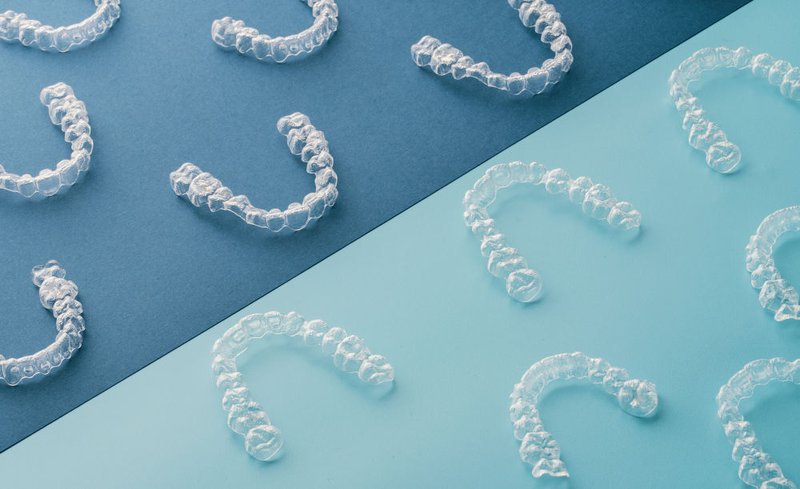
When it comes to Invisalign coverage, patients across Ontario often find that their insurance reimbursement rate mirrors that of traditional braces — but with a few important distinctions. While braces are almost always recognized as a medically necessary orthodontic treatment, Invisalign is sometimes classified by insurers as a cosmetic procedure, affecting how much you can claim.
Typical Invisalign treatment costs vs. coverage
The cost of Invisalign treatment in Ontario varies depending on the complexity of alignment, averaging between $4,000 and $8,000. The following table outlines potential reimbursements:
| Treatment Cost | Average Coverage % | Insurer Reimbursement | Patient Out-of-Pocket |
|---|---|---|---|
| $4,000 | 50% | $2,000 | $2,000 |
| $6,000 | 40% | $2,400 | $3,600 |
| $8,000 | 30% | $2,400 | $5,600 |
In short, the reimbursement rate for Invisalign in Ontario depends on your insurer’s classification of the treatment, whether it’s deemed cosmetic or medically necessary, and your plan’s lifetime cap.
Why do some insurance plans exclude Invisalign but cover braces?
It may seem unfair — why cover traditional braces but not Invisalign? The answer lies in how insurers define medical necessity and categorize orthodontic procedures.
How insurers differentiate between treatments
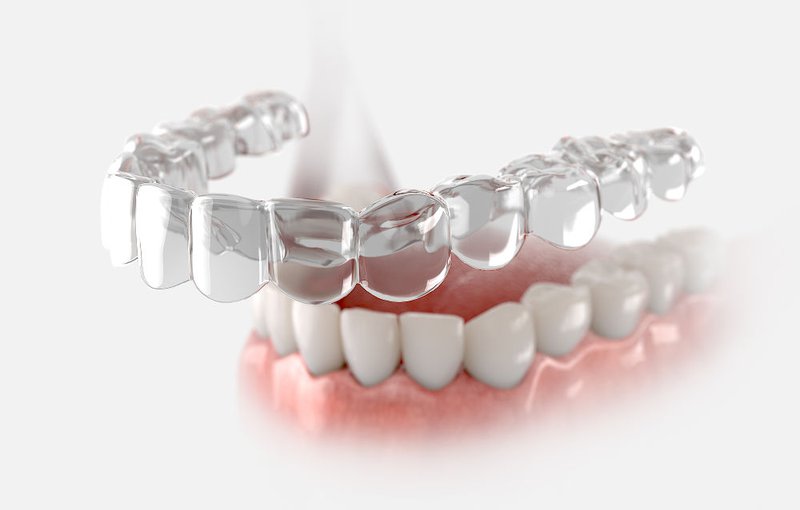
Traditional braces have been in use for decades and are universally recognized for correcting misalignment, bite issues, and jaw irregularities. Invisalign, on the other hand, uses clear aligner technology that is less visible and removable, leading some insurers to classify it as an aesthetic enhancement rather than essential treatment.
That classification matters. If a plan’s wording specifies coverage only for “metal or fixed orthodontic appliances,” Invisalign will be excluded. In contrast, plans that mention “orthodontic appliances, including clear aligners” will typically cover Invisalign.
Expert perspective
Supporting this, research published by the Canadian Dental Association (CDA) notes that Invisalign can effectively treat many malocclusions previously limited to traditional braces, but because of its newer technology and higher cost, insurers have been slow to update coverage terms.
Why insurers are changing their approach
More recently, insurers have begun to acknowledge that clear aligners serve the same orthodontic purpose as braces. Newer plans — particularly those introduced after 2020 — often include Invisalign in orthodontic coverage when supported by a pre-authorization from the treating orthodontist.
Common insurer reasoning for exclusion
- Invisalign is seen as cosmetic due to its aesthetics.
- Higher upfront treatment cost compared to traditional braces.
- Limited long-term data (historically) on clinical outcomes vs. braces.
Will Invisalign be partially covered if I’ve already started treatment?
One of the most common questions we hear from patients is whether insurance will reimburse for Invisalign after treatment has begun. Unfortunately, this is one area where many claims get denied.
Understanding pre-authorization and treatment start dates
Insurers determine eligibility based on when treatment officially begins, not when you submit your claim. If your Invisalign treatment was initiated (for example, first aligner fitted) before your dental insurance policy started or before orthodontic coverage was added, the claim will almost always be ineligible for reimbursement.
Retroactive claims and partial coverage
Some insurance providers may approve partial coverage if the policyholder can show that treatment began shortly before enrollment, but this depends entirely on plan terms and the insurer's discretion. For instance:
- Sun Life and Canada Life: Typically deny retroactive claims unless treatment began within 30 days of policy activation.
- Green Shield: May reimburse future installments if coverage was added mid-treatment.
Key factors that affect ongoing treatment claims
- Proof of pre-authorization: Always submit a pre-treatment estimate before beginning Invisalign.
- Treatment documentation: Provide invoices and orthodontic reports with clear start dates.
- Policy renewal timing: Verify whether new coverage periods reset orthodontic eligibility.
How can North York Smile Centre help you maximize your Invisalign insurance benefits?
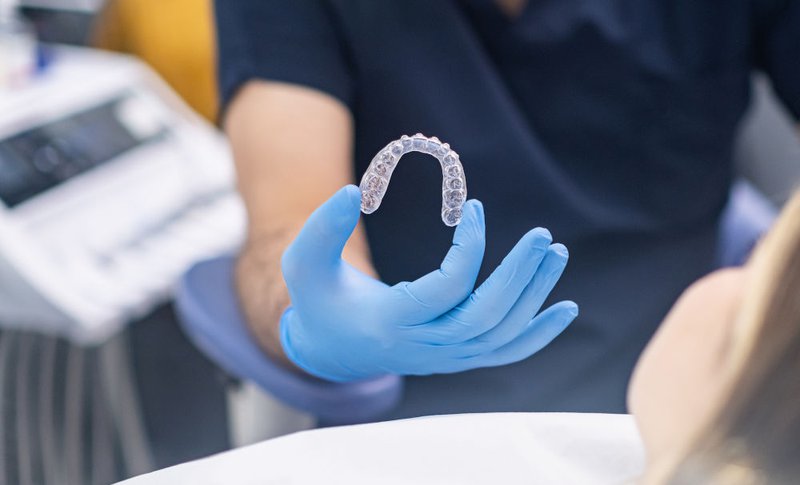
Navigating insurance paperwork can be confusing, especially when orthodontic terms differ between providers. That’s where North York Smile Centre steps in. Our team provides hands-on assistance with understanding, submitting, and following up on insurance claims related to Invisalign treatments.
Personalized insurance guidance
Every insurance policy is different. At our clinic, we help patients:
- Interpret benefit statements and identify orthodontic clauses.
- Complete pre-determination forms for Invisalign treatment.
- Communicate with insurers to confirm whether Invisalign qualifies under their orthodontic category.
- Estimate out-of-pocket costs using your insurer’s lifetime maximum and reimbursement rate.
Our administrative team is experienced with major Ontario insurance carriers, including Sun Life, Manulife, Green Shield, and Canada Life, ensuring claims are submitted correctlywith all necessary documentation.
Direct billing and claim management
Whenever possible, North York Smile Centre offers direct billing for orthodontic treatments. That means we send claims directly to your insurer and manage follow-ups, reducing your administrative burden. This system simplifies payments and ensures you’re only responsible for the uncovered portion at each visit.
What alternatives exist if Invisalign isn’t covered by your insurance?
Even if your plan excludes Invisalign, you still have several effective and affordable alternatives for achieving a straighter smile. At North York Smile Centre, we ensure every patient can access high-quality orthodontic care through flexible options.
1. Other clear aligner systems
Some insurance providers may cover other aligner brands if classified differently in their policies. Options include:
- ClearCorrect® – Often priced 10–20% lower than Invisalign.
- SureSmile® – Offers faster turnaround and lower lab fees, sometimes covered under general orthodontic clauses.
These alternatives use similar technology — custom clear trays that gradually shift teeth — but their classification under insurance codes can vary, giving you a better chance of coverage.
2. Traditional braces
Traditional braces remain the most widely covered orthodontic treatment under Ontario insurance plans. They may not be as discreet as aligners, but they deliver consistent results and often have broader coverage terms.
| Option | Approximate Cost | Average Insurance Coverage | Notes |
|---|---|---|---|
| Invisalign | $4,000–$8,000 | 30–50% (varies by insurer) | Sometimes classified as cosmetic |
| Traditional Braces | $4,500–$7,500 | 40–60% | Usually accepted as medically necessary |
| ClearCorrect / SureSmile | $3,500–$6,500 | 40–60% | Coverage varies by plan wording |
3. In-house financing and flexible payments
North York Smile Centre also offers interest-free payment plans for Invisalign and other orthodontic treatments. According to the clinic’s Financing page, patients can:
- Spread payments over several months or the full treatment period.
- Combine financing with partial insurance reimbursement.
- Use Visa, Mastercard, or post-dated cheques for convenient installments.
This approach makes Invisalign achievable even if your insurance doesn’t cover aligners directly.
What should you do if you’re unsure about Invisalign coverage?
Feeling uncertain about your Invisalign insurance coverage is normal — but the good news is that clarity is just a few steps away. Here’s a quick overview of what you should do next.
Step-by-step next actions
- Review your dental policy – Look for words like “orthodontic appliances” or “clear aligners.”
- Contact your insurance provider – ask whether Invisalign is listed as an eligible orthodontic procedure.
- Request a pre-determination – Have your orthodontist submit a cost estimate and treatment plan.
- Consult North York Smile Centre – Our administrative team can review your benefits and assist with submissions.
- Plan your finances – If coverage is partial or excluded, explore in-house financing options.
Summary Table
| Topic | Key Insight |
|---|---|
| Coverage Rate | Invisalign reimbursed 30–50% on average |
| Common Exclusions | Adult orthodontics, cosmetic aligners |
| Why Braces Are Covered | Classified as medically necessary |
| If Coverage Starts Mid-Treatment | Pre-authorization required; retroactive claims often denied |
| Alternatives | ClearCorrect, SureSmile, traditional braces, and financing options |
FAQ Section
1. Does dental insurance cover Invisalign in Ontario?
Yes, many Ontario dental insurance plans offer partial coverage for Invisalign, typically between 30% and 50% of the total cost, up to a lifetime maximum. However, some insurers classify Invisalign as a cosmetic treatment, which can limit eligibility.
2. How do I find out if my plan includes Invisalign coverage?
You should contact your insurance provider directly and ask whether clear aligners or orthodontic appliances are listed under your orthodontic benefits. Always request a pre-determination from your orthodontist before starting treatment.
Why do some plans cover braces but not Invisalign?
Traditional braces are considered medically necessary, while Invisalign is sometimes viewed as cosmetic. However, newer insurance policies are increasingly recognizing clear aligners as legitimate orthodontic devices.
4. What can I do if Invisalign isn’t covered by my plan?
You can explore other clear aligner brands, such as ClearCorrect® or SureSmile®, which may be eligible under different coverage codes. North York Smile Centre also offers interest-free financing options to make Invisalign more affordable.
5. Can I claim insurance for Invisalign after treatment has started?
Usually not. Most insurers only cover treatments that start after the insurance policy takes effect. Submitting a pre-authorization before beginning Invisalign is essential to secure coverage.
6. How does North York Smile Centre help with insurance claims?
Our team assists patients with claim forms, pre-determinations, and direct billing to major insurers like Sun Life, Manulife, and Green Shield. We ensure your claims are correctly submitted and that you maximize your benefits.