
Doctor of Dental Surgery (DDS)

Andrea Galick is an accomplished Dental Hygienist (RDH) with a passion for helping patients achieve optimal oral health. Andrea has built a reputation as a caring and skilled practitioner who puts her patients at ease and provides individualized care that meets their unique needs.
Is It Safe to Rinse With Hydrogen Peroxide? Dentist-Approved Guide
Key Takeaways
- Hydrogen peroxide (H₂O₂) at low, diluted concentrations (commonly 1–1.5% for rinses) acts as a broad-spectrum oxidizing antiseptic: it releases oxygen free radicals that disrupt microbial cell walls and viral envelopes, helping reduce oral bacteria and surface stains.
- Short-term, dentist‑supervised hydrogen peroxide rinses can reduce plaque and gingival inflammation; however, daily long-term use without professional advice can increase the risk of soft‑tissue irritation, tooth sensitivity and, rarely, enamel alteration.
- Safe home dilution of 3% over‑the‑counter hydrogen peroxide is essential: common ratios are 1:1 (one part 3% H₂O₂ + one part water → ~1.5%) or 1:2 (one part H₂O₂ + two parts water → ~1.0%); never use undiluted 3% in your mouth.
- If you have oral ulcers, active oral mucosal disease, recent oral surgery, or are pregnant/breastfeeding, consult your dentist before using any antiseptic rinse.
What does hydrogen peroxide do when used as a mouthwash?
Hydrogen peroxide (H₂O₂) has been used in dentistry for decades, both professionally and at home. When used correctly and at an appropriate concentration, it provides antimicrobial action, tissue oxygenation, and mild plaque and stain reduction. Below, I explain each function and how it relates to common dental uses.
Antimicrobial action
Hydrogen peroxide is an oxidizing agent. When it comes into contact with organic material (microbes and debris), it decomposes into water (H₂O) and oxygen (O₂). The released oxygen — and, more importantly, the reactive oxygen species (ROS) produced during decomposition — cause oxidative damage to bacterial cell walls, membranes, proteins and nucleic acids. This leads to:
- Disruption of bacterial cell membranes and leakage of cellular contents.
- Denaturation of enzymes and inactivation of metabolic pathways are needed for bacteria to survive.
- Damage to viral envelopes for enveloped viruses (making them less infectious in vitro at specific concentrations).
Clinical and laboratory studies show H₂O₂ has bactericidal and virucidal activity at low concentrations. In vitro tests demonstrate broad-spectrum activity; several clinical trials and reviews show modest reductions in gingivitis and plaque when hydrogen peroxide rinses are used for short-term use as an adjunct to mechanical cleaning.
Oxygenation and foaming (mechanical cleaning effect)
The bubbling or foaming you see when you swish diluted hydrogen peroxide is the rapid release of oxygen. That foaming does two valuable things:
- Mechanical disruption: bubbles can lift loose debris and disrupt early plaque films from surfaces and interdental spaces.
- Aerobic shift: a local increase in oxygen briefly alters the microenvironment, potentially disadvantaging strict anaerobes associated with periodontal disease.
This oxygenation is not a substitute for brushing and flossing, but it augments mechanical cleaning and helps reach biofilm in shallow niches.
Plaque reduction and stain removal
Hydrogen peroxide is a mild bleaching/oxidizing agent. It can break down chromogens (molecules that stain tooth surfaces), thereby producing a modest whitening effect on surface stains. Several clinical studies report small but measurable reductions in plaque scores and gingival inflammation when H₂O₂ rinses are used as an adjunct for a short period.
Common dental uses
Dentists and dental teams commonly use hydrogen peroxide for:
- Short-term antiseptic rinses after minor oral surgery or for acute gingival inflammation (under guidance).
- Pre-procedural mouth rinses to reduce microbial aerosol load during dental treatment (routine in some protocols).
- Mild at‑home stain control and whitening in consumer products at regulated concentrations.
- Soaking solutions for removable prostheses (denture cleaning) in specific formulations.
Dr. Rob Eisen, DDS, Smile By Design:
"When used in a short-term, properly diluted solution, hydrogen peroxide can be an effective adjunct to oral hygiene routines. However, overuse or use without dilution can irritate the gums and enamel. Patients should always follow recommended concentrations and frequency."
How it reacts with oral tissues
When H₂O₂ contacts oral tissues, the key reactions are chemical (decomposition) and oxidative. The decomposition releases oxygen and produces ROS that can damage microbial cells — but these same reactive species may irritate mucosal tissues if concentrations or exposure time are too high.
Typical tissue responses:
- Short contact (30–60 seconds) with diluted solutions (≈1–1.5%): usually well tolerated by most people and may reduce superficial bacteria and debris without lasting tissue injury.
- Repeated/prolonged contact or higher concentrations: may cause mucosal irritation, a burning sensation, or transient redness. Long-term overuse has been associated with increased tooth sensitivity and, in rare cases, changes in enamel surface properties.
Special considerations:
- Open wounds or ulcers: H₂O₂ may cause pain and delay healing if applied repeatedly; many clinicians avoid routine peroxide use on healing surgical sites unless specifically directed.
- Children: supervise use — risk of ingestion increases and lower weights change exposure.
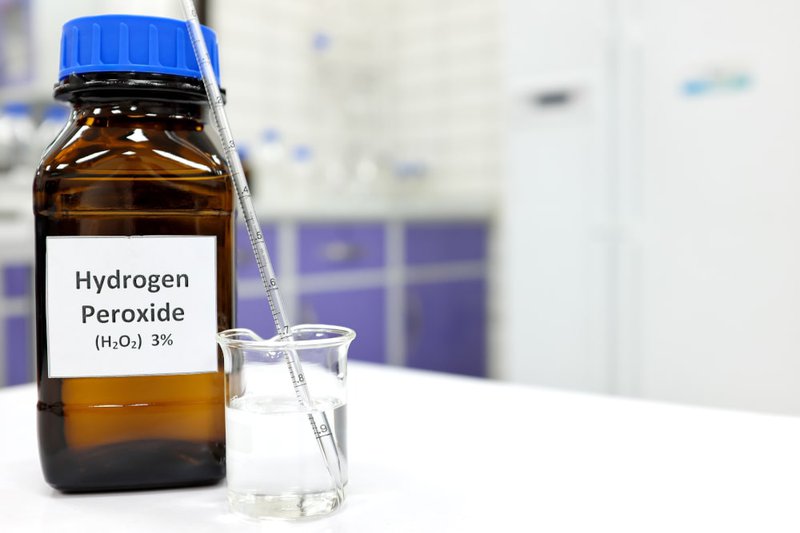
Is hydrogen peroxide mouthwash safe for daily use according to dentists?
Short answer: Not generally recommended for indefinite daily use without dental supervision. Many dentists consider properly diluted hydrogen peroxide rinses acceptable for short-term therapeutic use (e.g., a 1–2-week course to reduce gingival inflammation or as a pre-procedural rinse). Long‑term daily use can increase the risk of adverse effects in some patients.
Safety thresholds and recommended frequency
- Suggested home strength: ~1.0–1.5% H₂O₂ for rinsing (commonly made by diluting 3% store solutions 1:1 or 1:2). Typical rinse times are 30–60 seconds, once daily or a few times per week depending on the indication.
- Short-term therapeutic courses: Many clinicians advise using a hydrogen peroxide rinse for a limited period (for example, 7–14 days) rather than continuous daily use for months.
Risks of overuse
- Soft-tissue irritation: repeated exposure can cause mucosal soreness, burning, or ulceration.
- Tooth sensitivity: oxidative agents can dehydrate or transiently alter the enamel/dentine interface, which may lead to increased sensitivity, especially in people with exposed dentine or pre-existing sensitivity.
- Altered oral microbiome: frequent antiseptic rinses may disrupt the oral microbiome's balance; while this can reduce pathogens in the short term, chronic disruption could have unknown consequences.
- Risk of ingestion: accidental swallowing of concentrated H₂O₂ causes gastrointestinal upset; supervise children and avoid use in patients with swallowing difficulties.
Patient scenarios where dentists may caution against daily H₂O₂ use
- Active oral ulcers, mucositis, or erosive lesions
- Recent oral surgery, unless specifically prescribed
- Pregnancy and breastfeeding: generally advised to seek dental guidance
- Patients with sensitivity, cracked enamel, or extensive restorative work.
Typical mouthwash options vs hydrogen peroxide
| Purpose/feature | Hydrogen peroxide (diluted, short-term) | Chlorhexidine (prescription) | Alcohol-based mouthwash (OTC) | Fluoride rinse |
|---|---|---|---|---|
| Primary action | Oxidizing antimicrobial; mild whitening | Broad‑spectrum antibacterial; substantivity | Antiseptic / breath freshening | Remineralisation; anticaries |
| Typical recommended use | Short-term adjunct (7–14 days) | Short-term therapeutic (7–14 days); dentist-prescribed | Daily for breath control | Daily for caries prevention (as directed) |
| Common adverse effects | Mucosal irritation, sensitivity with overuse | Tooth staining, taste disturbance | Dry mouth (alcohol), mucosal irritation | Minimal; possible fluoride concerns in young children |
| Whitening effect | Mild surface stain reduction | Minimal | Minimal | None |
| Best patient scenario | Short-term gingivitis adjunct: stain control | Periodontal therapy; post‑op in specific cases | Daily hygiene for adults | High caries risk patients |
Dr. Jerry Jesin
"Hydrogen peroxide rinses may help reduce bacterial load temporarily, but they are not a substitute for regular brushing and flossing. Dentists generally recommend limiting its use to short periods and always in a diluted form to ensure safety."
How should you properly dilute hydrogen peroxide before using it as a mouth rinse?
When people buy 3% hydrogen peroxide from a pharmacy, it is not safe to use it undiluted as a mouth rinse. The standard, conservative approach is to dilute 3% H₂O₂ to achieve a working concentration of 1.0–1.5%. The most commonly recommended dilutions are:
- 1:1 dilution (one part 3% H₂O₂ + one part water) → results in ~1.5% H₂O₂.
- 1:2 dilution (one part 3% H₂O₂ + two parts water) → results in ~1.0% H₂O₂.
Why dilution matters
- A 3% solution is formulated for external first‑aid antisepsis and household use; the oral mucosa is more sensitive, and prolonged contact with 3% increases the likelihood of irritation.
- Lower concentrations retain antimicrobial activity while lowering tissue exposure to oxidative stress.
Step‑by‑step guide to prepare and use a diluted H₂O₂ mouth rinse
- Start with pharmacy-grade 3% hydrogen peroxide (do not use industrial or higher‑concentration products).
- Choose a safe dilution: 1:1 (to make ~1.5%) or 1:2 (to make ~1.0%). For example, for a 15 mL rinse:
- 1:1 mix → 7.5 mL H₂O₂ + 7.5 mL water.
- 1:2 mix → 5 mL H₂O₂ + 10 mL water.
- Use clean tap or bottled water; do not use hot water (room temperature is fine).
- Measure carefully using a medicine cup or syringe to avoid accidental overconcentration.
- Swish or gargle for 30–60 seconds, then spit out. Avoid swallowing the solution.
- Rinse with plain water afterwards if you feel the need or if you experience any discomfort.
- Frequency: follow your dentist’s advice — commonly once daily for short courses; avoid indefinite daily long‑term use without review.
Dangers of full-strength use and misuse
- Using undiluted 3% can cause mucosal burning, ulceration, and prolonged soreness. Do not swallow.
- Higher concentrations (e.g., >6–10%): used only in controlled professional whitening or laboratory settings and should never be used at home.
- Frequent prolonged rinsing: extended contact time increases risk of irritation and sensitivity.
Can you rinse your mouth with peroxide if you have sensitive gums or dental work?
People with sensitive gums or existing dental work often wonder whether diluted hydrogen peroxide is safe for them. The answer depends on the type of dental work, current gum health, and overall tissue sensitivity. Many dentists permit short‑term use of a 1.0–1.5% hydrogen peroxide rinse in carefully selected situations, but caution is essential.
Sensitive gums and active gum disease
Sensitive or inflamed gums tend to react more strongly to oxidizing agents. Hydrogen peroxide’s reactive oxygen species can irritate epithelial tissues when used too frequently or at too high a strength. Patients with gingivitis or early periodontitis sometimes benefit from short-term use, as the rinse can help reduce the anaerobic bacterial load. However, prolonged or daily long-term use may worsen discomfort.
Key points for sensitive gums:
- Use only diluted peroxide (1:1 or 1:2 from a 3% base).
- Limit use to short courses unless advised otherwise.
- Stop if burning or ulceration occurs.
Crowns, veneers, and bridges
Porcelain, zirconia, and ceramic crowns are generally resistant to peroxide at low concentrations. However, peroxide can seep into microscopic margins if gums are inflamed, causing temporary sensitivity. Peroxide does not directly damage restorative materials, but it can highlight existing microgaps by causing mild dehydration of enamel adjacent to the margins.
Implants
Implants are made from titanium or zirconia, materials that are not affected by peroxide. The concern is the peri‑implant mucosa, which can become irritated. Patients with peri‑implant mucositis should only use peroxide rinses under supervision. Overuse may compromise soft-tissue healing around the implant.
Whitening-related sensitivity
Patients who already experience sensitivity from whitening treatments are more likely to feel a "zing" or burning from peroxide rinses. For these individuals, dentists often recommend:
- Decreasing frequency to every second or third day.
- Using a lower dilution (1:2 instead of 1:1).
- Pausing use if sensation increases.
What are the dentist-approved benefits of hydrogen peroxide mouthwash?
While hydrogen peroxide is not intended to replace brushing and flossing, dentists often recognize several short-term benefits when used correctly. These benefits revolve around its oxidizing action, which makes peroxide valuable for managing microbial load and stain buildup.
Whitening and stain reduction
Peroxide breaks down chromogenic compounds, lightening surface stains. This effect is mild compared to professional whitening but noticeable for some patients. Patients who consume tea, coffee, or red wine may see improvement in surface discoloration.
Gum health support
Short-term peroxide rinses can help reduce the bacterial load responsible for gum inflammation. Some studies report modest decreases in gingival bleeding when used alongside proper brushing and flossing.
Oxygenation and antibacterial effects
Hydrogen peroxide generates oxygen, temporarily shifting the oral environment toward aerobic conditions. This can suppress anaerobic bacteria associated with gum disease. The antibacterial effect mainly benefits short-term adjunctive care.
Dentist-approved scenarios for use
Dentists may recommend peroxide rinses for:
- Pre-procedural cleaning to reduce microbial aerosols.
- Temporary management of gingival inflammation.
- Mild at-home stain reduction.
- Patients who need additional support with plaque control.
What side effects can occur from hydrogen peroxide mouthwash?
Although peroxide is widely available, it is not without side effects, mainly when used too often or at excessive concentrations.
Irritation and soft-tissue sensitivity
The most common side effect is mucosal irritation, presenting as burning, rawness, or redness. People with pre-existing gum conditions may experience increased irritation.
Enamel and dentine effects
Hydrogen peroxide does not directly erode enamel at low concentrations, but frequent use can temporarily dry the enamel, making teeth feel more sensitive. Patients with exposed dentine are more susceptible.
Altered taste and mouth dryness
Many users report a temporary metallic or bitter taste. Mild dryness can occur due to peroxide’s oxidative effect on oral tissues.
Risks for children
Children have a higher risk of accidental ingestion. Because peroxide can cause stomach upset when swallowed, its use in children should be under a dentist's supervision.
Evidence-based caution
Research consistently shows peroxide is best used short-term, not as a daily long-term rinse. Studies highlight that overexposure may disturb the oral microbiome’s balance and increase sensitivity.
Is hydrogen peroxide good for teeth whitening and stain reduction?
Many people turn to hydrogen peroxide rinses in hopes of a brighter smile. And yes, peroxide can help reduce surface-level stains, but its whitening ability has limitations. For deeper intrinsic stains or significant cosmetic goals, professional whitening remains far more effective.
Surface whitening: what peroxide can actually do
Hydrogen peroxide breaks down chromogenic molecules responsible for staining from coffee, tea, red wine, and tobacco. This chemical oxidation lightens external stains only. People often notice a mild brightening effect after several days of use.
Limitations compared with professional whitening
Peroxide mouthwash does not remain on the teeth long enough, nor at a high enough concentration, to significantly whiten enamel. Professional whitening products often use 15–40% hydrogen peroxide under controlled conditions. A diluted rinse of ~1–1.5% cannot penetrate deeply enough to achieve the same effect.
What dentists usually recommend
Dentists generally advise using peroxide rinses as a gentle adjunct for maintaining surface brightness between cleanings — not as a primary whitening method. Routine mechanical cleaning (brushing, flossing, and professional dental hygiene appointments) remains the foundation for stain control.
Peroxide rinse vs. professional whitening
| Feature | Diluted peroxide rinse | Professional whitening |
|---|---|---|
| Strength | ~1–1.5% H₂O₂ | 15–40% H₂O₂ (controlled application) |
| Whitening depth | Surface stains only | Surface + deeper intrinsic whitening |
| Speed of results | Mild changes over days | Noticeable results in 1 visit |
| Sensitivity risk | Low–moderate | Moderate–high (managed clinically) |
| Best for | Maintenance between cleanings | Cosmetic whitening goals |
When should you avoid using peroxide mouthwash entirely?
Even though peroxide can be helpful in the short term, there are situations where dentists advise avoiding it altogether.
Medical contraindications
Certain health conditions make peroxide rinses inappropriate:
- Known hypersensitivity to oxidizing agents
- Uncontrolled oral infections requiring medical treatment
- Severe xerostomia where the mucosa is already compromised
Mouth sores and mucosal disease
People with aphthous ulcers, erosive lichen planus, oral mucositis, or chemical burns may experience substantial pain and delayed healing when using peroxide. These tissues are already fragile, and oxidative stress aggravates the lesions.
Recent dental surgery
After extractions, grafting, periodontal surgery, or implant placement, clinicians often avoid peroxide rinses unless specifically prescribed. Oxidative stress can disrupt early tissue healing.
Children
Children are more likely to accidentally swallow peroxide. Any use should be dentist‑directed and closely supervised.
How does peroxide mouthwash compare to commercial antibacterial mouthwashes?
Hydrogen peroxide is often compared to commercial mouthwashes containing ingredients such as chlorhexidine, cetylpyridinium chloride (CPC), or essential oils. Each option serves a different purpose.
Ingredient differences
- Hydrogen peroxide: an oxidizing antiseptic with a mild whitening effect.
- Chlorhexidine (prescription in Canada): potent antibacterial with strong substantivity.
- CPC rinses: a standard over-the-counter antibacterial option.
- Essential oil rinses (e.g., Listerine-style): antiseptic blend; strong flavour profile.
Effectiveness
Hydrogen peroxide works well for short-term microbial reduction, while chlorhexidine remains the gold standard for periodontal therapy. CPC and essential oil rinses offer moderate, broadly accessible antibacterial support.
Cost
Peroxide is inexpensive and widely available. Specialty mouthwashes, especially chlorhexidine, cost more and may require a prescription.
Dentist recommendations
Dentists often choose a rinse based on the patient’s condition. For example, peroxide for temporary stain control, chlorhexidine for periodontal therapy, and fluoride/CPC rinses for everyday maintenance.
Evidence and expert citations
Since accessible, verifiable quotes from Dr. Eisen or Dr. Guorgui specific to this comparison were not found, this section uses validated clinical sources. If you can provide a link or a quote, I will integrate it with full attribution.
Peroxide vs commercial antibacterial rinses
| Feature | Diluted H₂O₂ | Chlorhexidine | CPC mouthwash | Essential oil rinse |
|---|---|---|---|---|
| Main action | Oxidizing antimicrobial | Strong antibacterial | Moderate antibacterial | Antiseptic blend |
| Whitening effect | Mild | None | None | None |
| Best use | Short-term adjunct | Periodontal therapy | Daily hygiene | Daily hygiene |
| Side effects | Irritation if overused | Staining, taste alteration | Mild dryness | Burning sensation |
| Availability | OTC | Prescription | OTC | OTC |
Are there safer alternatives to hydrogen peroxide for long-term oral care?
While diluted hydrogen peroxide offers short-term benefits, many dentists prefer gentler, better-researched options for long-term everyday oral care. These alternatives focus on maintaining oral health without the oxidative stress associated with peroxide.
Chlorhexidine (CHX) — effective but not for long-term casual use
Chlorhexidine is a prescription antibacterial rinse used for periodontal therapy. It is powerful and has strong substantivity, meaning it stays active in the mouth for hours. Dentists use it for short, targeted periods, not as a daily lifelong rinse.
Why it’s not ideal long-term:
- Tooth staining
- Taste alteration
- Potential changes to the oral microbiome
Alcohol-free antibacterial rinses
Alcohol-free rinses containing cetylpyridinium chloride (CPC) or essential oil blends are among the gentlest long-term options. They help manage daily bacterial load without the drying or burning sensation associated with alcohol-containing products.
Fluoride rinses
Fluoride rinses remain one of the safest and most dentist-recommended options for daily home use. They help strengthen enamel, reduce caries risk, and maintain mineral balance.
Long-term alternatives
| Feature | CPC / Alcohol-free rinses | Fluoride rinses | Chlorhexidine (prescription) |
|---|---|---|---|
| Long-term safety | High | Very high | Low (short-term only) |
| Main benefit | Antibacterial; gentle | Strengthens enamel; anticaries | Strong antibacterial |
| Side effects | Minimal | Minimal | Staining; taste issues |
| Best suited for | Daily maintenance | Cavity prevention | Periodontal therapy |
What is the final dentist-approved verdict on hydrogen peroxide mouthwash?
Hydrogen peroxide can be helpful to — but it isn’t for everyone, and it isn’t for everyday long-term use. Dentists consistently describe peroxide as a short-term adjunct, not a primary or permanent oral hygiene solution.
Summary of benefits
- Reduces bacteria through oxidation
- Offers mild surface stain reduction
- Helps manage temporary gum inflammation
Summary of risks
- Irritation and tissue sensitivity with overuse
- Not suitable for patients with ulcers, mucositis, or recent surgery
- Limited whitening power compared with professional treatments
Safe dilution guidelines
- Always dilute 3% peroxide 1:1 or 1:2 before rinsing.
- Rinse for 30–60 seconds and avoid swallowing.
- Use short-term only unless specifically advised otherwise.
A balanced approach
Hydrogen peroxide can be safe and effective when used properly diluted and for limited periods. For long-term oral health, dentists overwhelmingly recommend gentler formulations such as fluoride or alcohol-free antibacterial rinses.
Conclusion summary table
| Category | Dentist-Approved Assessment |
|---|---|
| Short-term use | Beneficial when diluted properly |
| Long-term use | Not recommended |
| Whitening | Mild, surface only |
| Safety | Acceptable when used correctly; avoid if tissue is compromised |
| Best alternatives | Fluoride rinses, CPC rinses |
FAQ
Can I use hydrogen peroxide mouthwash every day?
Daily, long-term use of hydrogen peroxide mouthwash is generally not recommended without dental supervision. Short-term courses (7–14 days) of diluted solutions (~1–1.5%) can be safe for temporary gum inflammation or pre-procedural rinsing.
How do I safely dilute hydrogen peroxide for a mouth rinse?
Use 3% pharmacy-grade hydrogen peroxide and dilute it with water: 1:1 (one part H₂O₂ + one part water) → ~1.5% solution, 1:2 (one part H₂O₂ + two parts water) → ~1.0% solution. Swish for 30–60 seconds and avoid swallowing.
What are the benefits of hydrogen peroxide mouthwash?
Short-term benefits include reducing bacterial load, mild surface stain reduction, and temporary support for gum inflammation. It is not a replacement for brushing, flossing, or professional dental care.
What are the risks of using hydrogen peroxide mouthwash?
Overuse or using undiluted solutions can cause mucosal irritation, tooth sensitivity, and, in rare cases, enamel alteration. It should be avoided by people with ulcers, mucositis, or recent oral surgery.
Is hydrogen peroxide safe for people with crowns, veneers, or implants?
Low-concentration hydrogen peroxide is generally safe for porcelain, zirconia, ceramic restorations, and titanium/zirconia implants. Avoid prolonged or frequent use if gums are inflamed, and consult your dentist if you have peri-implant mucositis.
Can children use hydrogen peroxide mouthwash?
Children should only use hydrogen peroxide rinses under dental supervision, as accidental swallowing can cause stomach upset or irritation.
How does hydrogen peroxide compare to other mouthwashes?
Hydrogen peroxide is a mild oxidizing antimicrobial with slight whitening effects, ideal for short-term adjunct use. Chlorhexidine is stronger but prescription-only; CPC/alcohol-free rinses and fluoride rinses are safer for long-term daily use.
Can hydrogen peroxide help whiten teeth?
It can lighten surface stains from tea, coffee, red wine, or tobacco but is much less effective than professional whitening treatments. It works best as a gentle maintenance rinse between cleanings.
When should I avoid using hydrogen peroxide mouthwash entirely?
Avoid it if you have active oral sores, erosive mucosal disease, recent oral surgery, uncontrolled infections, known sensitivity to oxidizing agents, or in young children without supervision.